
Overt/Crossover Carriers
What is a crossover or overt carrier?
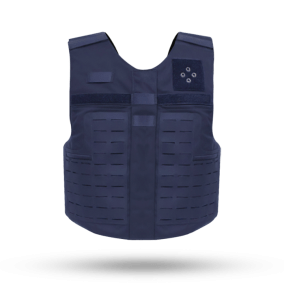
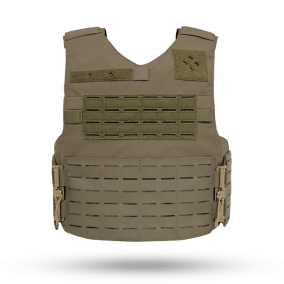
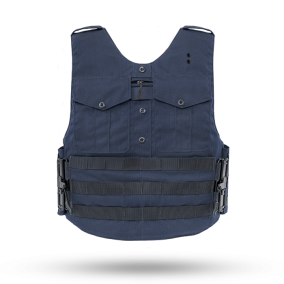
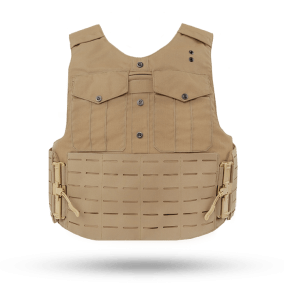
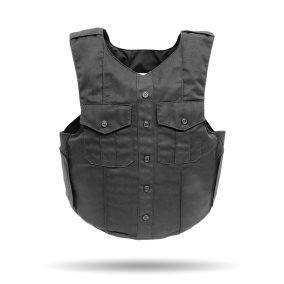
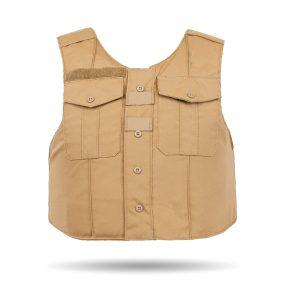
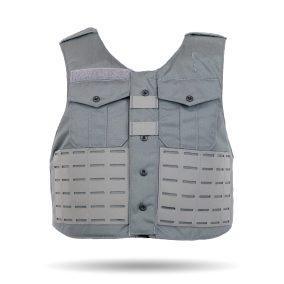
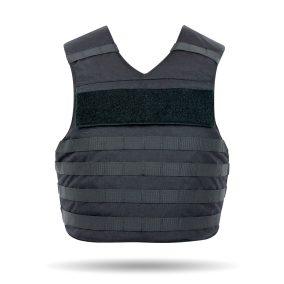
+Crossover and overt carriers are designed for external wear and provide an accessible platform for ballistic armor and mission-essential equipment. Overt carriers prioritize visibility, equipment integration, and functionality, while crossover carriers combine many of these capabilities with a more streamlined profile suitable for a range of duty and operational environments.
Depending on the model, features may include MOLLE or laser-cut attachment systems, adjustable cummerbunds, padded shoulder straps, quick-release systems, and compatibility with soft armor, hard armor plates, or both.
What is the difference between overt and concealable body armor?
+Overt body armor systems are worn externally and provide easier access to armor and duty equipment, while concealable body armor is designed to be worn underneath clothing or a uniform for a lower-profile appearance.
Overt carriers generally provide greater equipment integration and load-bearing capability. Crossover carriers can provide a more streamlined alternative while retaining many of the functional advantages of an externally worn carrier.
What are the key features of an overt carrier?
+Key features of an overt carrier can include modular MOLLE or laser-cut attachment systems, adjustable shoulder straps and cummerbunds, integrated padding, ventilation, quick-release functionality, and compatibility with ballistic armor.
For law enforcement and duty applications, the appropriate features depend on the user’s assignment, equipment requirements, armor system, mobility needs, and agency specifications. Carrier features vary by model, so armor compatibility and sizing should always be confirmed before selection.
What is the advantage of a crossover carrier?
+Crossover carriers provide a balance between the equipment-carrying capability of an overt carrier and a more streamlined profile. This makes them adaptable for law enforcement, security, and other professionals whose equipment and operational requirements may change between assignments.
Depending on the model, crossover carriers can support modular equipment configurations while maintaining mobility and comfort for patrol, duty, and specialized applications.
All Crossover & Overt Carriers
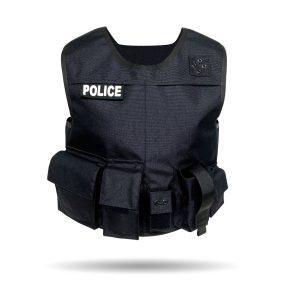
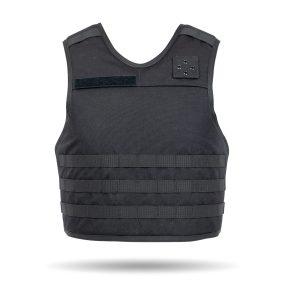
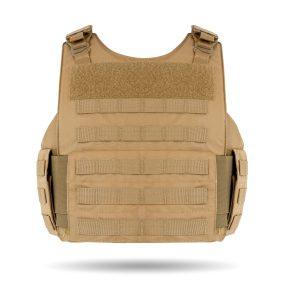
FAQs
What is an outer vest carrier for law enforcement?
+An outer vest carrier for law enforcement is worn externally over the uniform and is designed to support ballistic armor and duty equipment. Depending on the design, police outer carriers may provide attachment points for communications equipment, medical gear, pouches, and other mission-essential accessories.
Outer vest carriers are commonly configured around patrol and duty requirements, with features that can support accessibility, mobility, comfort, and equipment organization. Armor compatibility, fit, equipment requirements, and agency specifications should be considered when selecting a carrier.
Can I use any ballistic plates with my overt carrier?
+Not every ballistic plate is compatible with every carrier. Plate dimensions, cut, thickness, and carrier pocket specifications should be reviewed to ensure proper compatibility. Always confirm the specifications of both the carrier and ballistic plates before selecting an armor system.
How do I choose the right crossover or overt carrier?
+Selecting the right crossover or overt carrier starts with the intended application, armor requirements, equipment load, fit, and mobility needs. Law enforcement agencies should also consider whether the carrier will be used for patrol, duty, tactical, or specialized assignments.
Confirm compatibility with the required soft armor or hard armor plates, available sizing and adjustment features, equipment attachment requirements, and any agency specifications. Because features vary by model, the carrier should be selected as part of the complete armor and equipment system.
How do I ensure my overt carrier fits correctly?
+Proper fit depends on the carrier design, armor system, and manufacturer’s sizing specifications. Adjust available shoulder straps, cummerbunds, and other fit components so the carrier remains secure while allowing appropriate mobility and access to equipment.
Always follow the sizing and adjustment guidance provided for the specific Slate Solutions carrier and compatible armor system.