
Fire & EMS Plate Carriers
Features of Firefighter and EMS Plate Carriers
+Firefighter and EMS plate carriers are designed to provide ballistic protection while supporting the mobility, visibility, and equipment needs of first responders. Depending on the carrier configuration, key features may include:
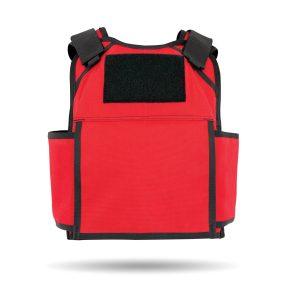
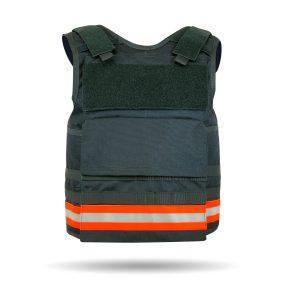
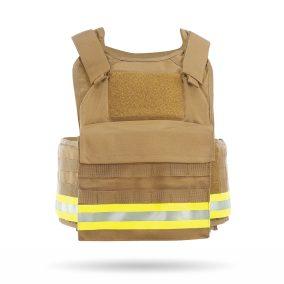
- High-Visibility Identification: Reflective materials, high-visibility color options, and agency identification placards can help clearly identify FIRE, EMS, MEDIC, or PARAMEDIC personnel during emergency response operations.
- Equipment Integration: MOLLE-compatible platforms allow medical equipment, IFAKs, tourniquets, communication equipment, and other mission-essential gear to be configured for rapid access.
- Ballistic Protection: Fire and EMS plate carriers can accommodate compatible ballistic armor based on an agency’s protection requirements and operational needs.
- Mobility and Comfort: Adjustable shoulder systems, cummerbunds, and lightweight carrier designs help support mobility during extended operations.
- Mission-Specific Configurations: EMS plate carriers and firefighter plate carriers can be configured to support emergency medical response, rescue operations, and other high-risk environments.
How to Select an EMS or First Responder Plate Carrier
+Selecting the right EMS plate carrier or first responder plate carrier depends on the user’s role, operating environment, required ballistic protection, and equipment load.
Firefighters and rescue personnel may prioritize visibility, mobility, durability, and compatibility with other mission equipment. Paramedics and EMS personnel may require MOLLE-compatible platforms that provide convenient access to IFAKs, tourniquets, medical supplies, communications equipment, and other essential gear.
Agencies should also consider armor compatibility, carrier adjustability, identification requirements, equipment capacity, and overall system weight. The appropriate configuration should be based on departmental policies, operational requirements, and the threats personnel may encounter.
Ballistic Protection for Fire, EMS, and First Responders
+Ballistic protection requirements for Fire and EMS personnel can vary depending on the mission, operating environment, agency policy, and anticipated threats. A plate carrier serves as the platform for compatible ballistic armor while allowing first responders to carry essential equipment.
Different armor solutions are designed to address different ballistic threats. Agencies should select armor based on applicable performance standards, threat assessments, departmental requirements, and the intended use of the system.
For Fire and EMS teams, the complete system should also account for mobility, visibility, equipment integration, comfort, and compatibility with other required gear. Slate Solutions offers plate carrier and armor configurations designed to support the specialized requirements of first responders operating in demanding environments.
Fire and EMS Plate Carriers for Mission-Specific Response
+Slate Solutions offers Fire and EMS plate carriers designed to support the specialized needs of firefighters, paramedics, rescue personnel, and other first responders. Available configurations provide options for ballistic protection, high-visibility identification, equipment integration, and mission-specific load carriage.
Explore our EMS Plate Carrier, First Responder Fire Rescue Vest, and Modular Fire Plate Carrier to identify the configuration that best supports your agency’s operational requirements.
For agency-specific requirements, Slate Solutions can help identify armor and carrier solutions based on your team’s protection, equipment, and operational needs.
All Fire & EMS Carriers
FAQs
Will wearing a plate carrier interfere with my ability to treat patients or fight fires?
+A properly fitted Fire or EMS plate carrier should balance ballistic protection with the mobility required for emergency response. Carrier fit, armor selection, equipment placement, and overall system weight can all affect range of motion and comfort.
Adjustable shoulder and cummerbund systems help personnel achieve a secure fit, while thoughtful equipment placement can help maintain access to medical supplies and other mission-essential gear. Agencies should evaluate the complete system with the other PPE and equipment personnel are expected to wear during operations.
What ballistic armor should I use with a Fire or EMS plate carrier?
+The appropriate ballistic armor for a Fire or EMS plate carrier depends on the anticipated threats, agency requirements, operational environment, and compatibility with the carrier.
Depending on the carrier configuration, systems may accommodate soft armor, hard armor plates, or a combination of ballistic components. Agencies should select armor based on applicable performance standards, threat assessments, departmental policies, and the intended use of the system.
Slate Solutions offers a range of ballistic armor solutions that can be paired with compatible carrier systems to meet agency-specific protection requirements.
Why are high-visibility colors important for Fire and EMS plate carriers?
+High-visibility colors, reflective materials, and identification placards can help distinguish Fire and EMS personnel during emergency response operations. Clear visual identification can be especially important in low-light, crowded, or complex response environments where multiple agencies may be operating together.
Fire and EMS plate carriers may be configured with high-visibility materials and agency identification based on departmental requirements. The appropriate color, reflective treatment, and identification markings should be determined by the individual agency’s policies and operational needs.
What should paramedics look for in an EMS plate carrier?
+Paramedics should consider ballistic protection requirements, mobility, equipment accessibility, visibility, fit, and compatibility with other PPE when selecting an EMS plate carrier. MOLLE-compatible platforms can provide configurable attachment points for medical supplies, IFAKs, communications equipment, and other mission-essential gear.
An EMS plate carrier should also provide a secure, adjustable fit while allowing personnel to perform patient care and emergency response tasks. Agencies should evaluate carrier and armor configurations based on departmental policies, anticipated threats, equipment requirements, and the operational environment.