
Ballistic Shields
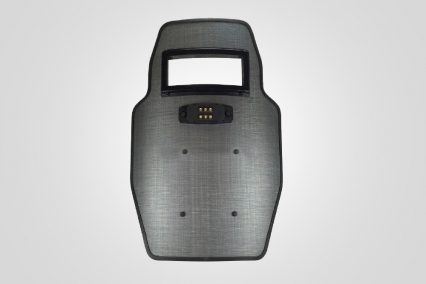
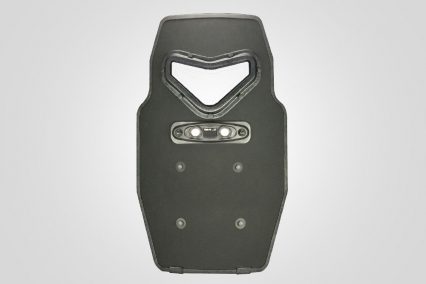
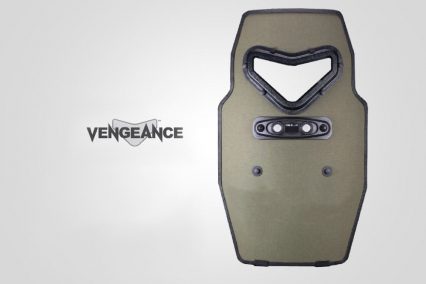
Slate Solutions designs and manufactures ballistic shields for law enforcement, SWAT, military, and public-safety teams operating in high-threat environments. Our handgun- and rifle-rated shield solutions are available in fixed and folding configurations, with multiple sizes, handle systems, ballistic viewports, and lighting options.
From patrol response and high-risk warrant service to dynamic entry and rescue operations, every mission presents different protection and mobility requirements. Slate Solutions works with agencies to identify the appropriate threat rating, coverage, and configuration for their operational needs.
Understanding Ballistic Shield Threat Ratings
+Ballistic shield ratings identify the specific ammunition threats a shield is designed and tested to defeat. Agencies should evaluate the applicable test standard, ammunition, velocity and complete shield configuration before selecting a solution.
- Handgun-rated shields: Designed for specified handgun threats and typically offer a lighter, more maneuverable option for patrol response, perimeter security and other law enforcement applications.
- Rifle-rated shields: Engineered for specified rifle threats and commonly used by SWAT and tactical teams during high-risk operations.
- Complete-system performance: The shield body, viewport, fasteners and other ballistic components should provide protection appropriate to the shield’s stated rating.
Because testing standards and threat designations can vary, agencies should review the specifications and test documentation for each shield rather than relying on the rating name alone.
Key Features of Tactical Ballistic Shields
+The right shield configuration depends on the anticipated threat, operational environment and tactics of the team. Important features to evaluate include:
- Ballistic viewport: Provides visibility and situational awareness while maintaining protection appropriate to the shield’s stated threat rating.
- Handle and support system: Wide-grip handles, forearm straps and padding help improve control, stability and comfort.
- Size and coverage: Shield dimensions and profiles affect protection, maneuverability and use in confined spaces.
- Fixed or folding construction: Fixed shields provide a traditional platform, while folding ballistic shields offer more compact storage and transport.
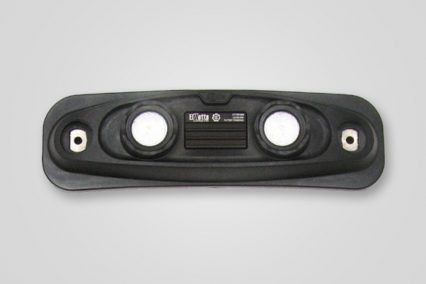
- Lighting options: Shield-mounted lighting can support visibility during nighttime and low-light operations.
- Protective finish: Durable exterior coatings help protect the shield against demanding operational and environmental conditions.
Applications for Law Enforcement and SWAT Shields
+Ballistic shields provide mobile protection across a range of law enforcement and tactical operations. Common applications include:
- Active-threat response: Provides mobile ballistic protection as officers move through exposed or uncertain environments.
- High-risk warrant service: Supports tactical teams during approach, entry and room-clearing operations.
- Hostage and officer rescue: Provides protection while teams move toward, reach or evacuate individuals in high-threat areas.
- Perimeter operations: Creates portable cover for officers, civilians or injured personnel in exposed locations.
- High-risk vehicle stops: Provides additional protection during approaches and vehicle-related tactical operations.
- Patrol deployment: Compact and folding ballistic shields can provide accessible protection for responding officers when rapid deployment is required.
Explore Our Ballistic Shields
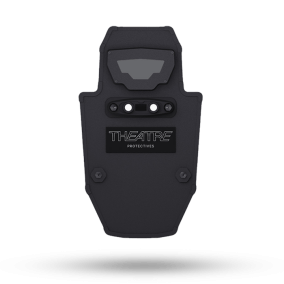
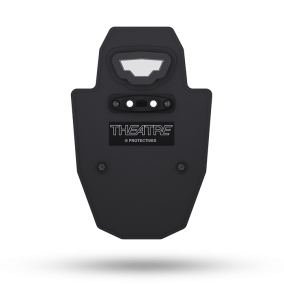
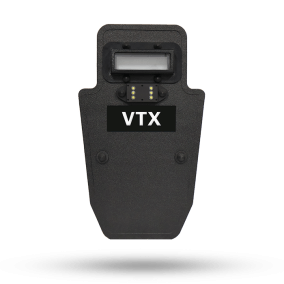
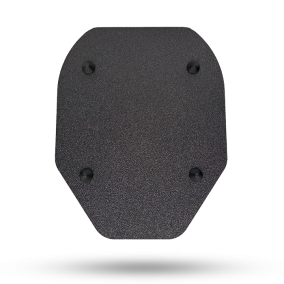
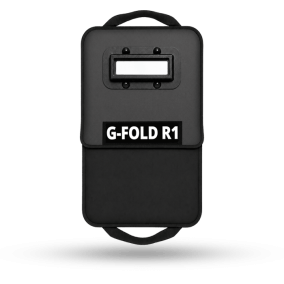
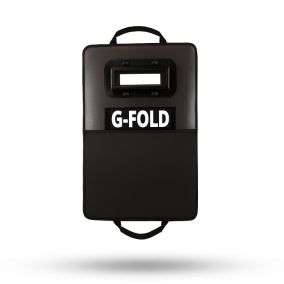
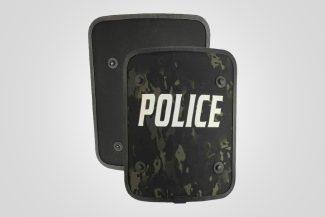
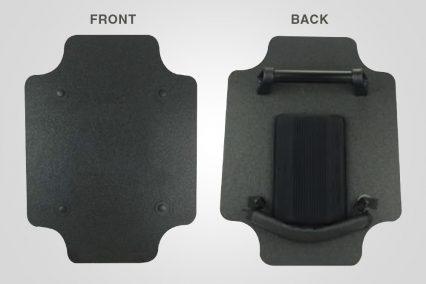
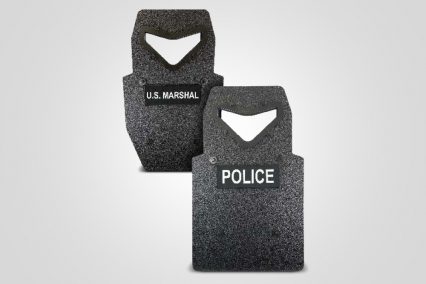
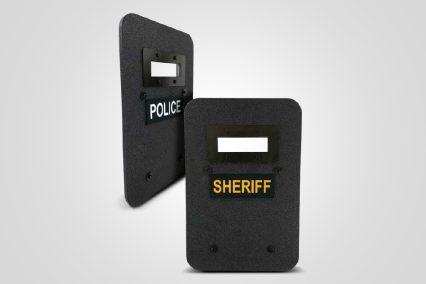
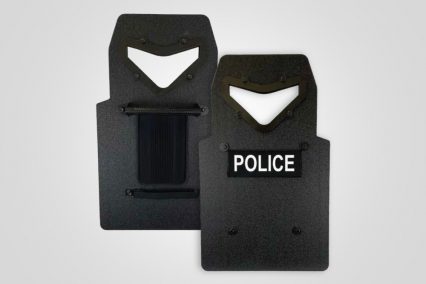
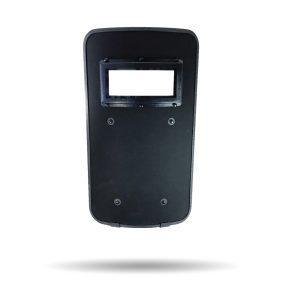
FAQs
Can a ballistic shield stop a rifle round?
+Only a rifle-rated ballistic shield is designed to defeat specified rifle threats. Handgun-rated shields are not intended to provide rifle protection. Agencies should review the exact ammunition, velocity, test standard and complete shield configuration listed in the product documentation before selecting a shield.
How much does a ballistic shield weigh?
+Ballistic shield weight varies based on the threat rating, size, materials, viewport, lighting system and handle configuration. Higher protection levels and greater coverage typically increase weight. Agencies should balance protection requirements with mobility, deployment time and how long the shield may need to be carried.
Does a ballistic viewport provide the same protection as the shield?
+A ballistic viewport should be rated and tested as part of the complete shield system for the threats identified in the product documentation. Agencies should confirm that the viewport, shield body and attachment components are included in the stated testing and performance information.
Can an officer use a firearm while carrying a ballistic shield?
+Yes, depending on the shield configuration, handle system and agency procedures. Some ballistic shields are designed to support one-handed weapon use or include weapon cutouts. Personnel should receive appropriate training and follow agency policies for shield deployment and firearm use.
What types of ballistic shields are available?
+Ballistic shields are available in handgun- and rifle-rated configurations, with fixed or folding construction, multiple sizes, different handle systems and optional ballistic viewports or lighting. The appropriate shield depends on the anticipated threats, required coverage, mobility, deployment method and mission profile. Slate Solutions works with law enforcement and tactical teams to identify the right configuration for their operational requirements.
What is the difference between a ballistic shield and a riot shield?
+A ballistic shield is designed and tested to provide protection against specified handgun or rifle threats. A riot shield is generally designed for protection against impacts, thrown objects and other hazards encountered during crowd-control operations. Riot shields should not be considered ballistic unless the product is specifically rated and tested for ballistic threats.