
Tactical Carriers
What is a tactical carrier?
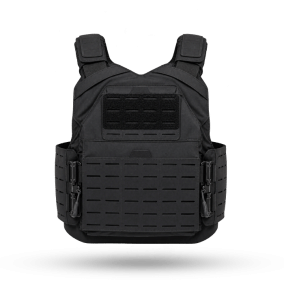
+A tactical carrier is a configurable carrier system designed to support ballistic armor and mission-essential equipment for law enforcement, military, and public safety applications.
Depending on the design, tactical carriers may accommodate soft armor, hard armor plates, or both, while providing attachment points for pouches, communications equipment, medical gear, and other accessories.
What are the benefits of tactical carriers?
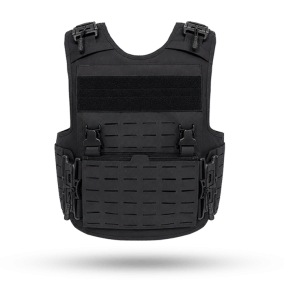
+Tactical carriers provide a configurable platform for professionals who need protection, equipment integration, and mobility in demanding environments. Depending on the carrier design, features may include MOLLE or laser-cut attachment systems, adjustable cummerbunds and shoulder straps, quick-release systems, integrated padding, drag handles, and compatibility with ballistic armor.
For law enforcement and military applications, these features allow users to configure the carrier around specific operational requirements while maintaining access to mission-essential equipment.
For applications centered specifically on hard armor plate integration, explore our Plate Carriers.
What types of tactical carriers are available?
+Tactical carriers are available in different configurations to support law enforcement, military, public safety, and specialized operational requirements. Options can range from lightweight, streamlined carriers focused on mobility to patrol vest carriers, outer carriers, and tactical load-bearing systems designed to accommodate armor, equipment, pouches, communications gear, and other mission-essential accessories.
The appropriate configuration depends on the user’s operational environment, required armor system, equipment load, mobility requirements, and agency specifications.
What is the difference between a tactical carrier and an overt carrier?
+Tactical carriers are generally designed around mission-specific operational requirements, with features that support modular equipment integration, armor compatibility, mobility, and load-bearing capability. Overt carriers are worn visibly over the uniform and may be configured for patrol, duty, and other law enforcement applications.
Because carrier designs and features vary, agencies should select a system based on the intended application, required armor, equipment configuration, and operational needs.





FAQs
What features should you look for in a tactical carrier?
+Key tactical carrier features depend on the mission and operational requirements. Important considerations may include armor compatibility, modular attachment capability, adjustability, load distribution, quick-release functionality, durability, ventilation, padding, and access to mission-essential equipment.
For law enforcement and military applications, the carrier should provide a secure fit while supporting mobility and the equipment required for the user’s specific assignment.
Do tactical carriers provide ballistic protection on their own?
+A tactical carrier does not necessarily provide ballistic protection by itself. Ballistic performance depends on the armor system installed in the carrier, such as compatible soft armor or hard armor plates. Users should select armor based on the required threat protection, carrier compatibility, and agency or operational requirements.
Who uses tactical carriers?
+Tactical carriers are used by law enforcement officers, military personnel, federal agencies, tactical teams, and other public safety professionals who require configurable armor and equipment systems. Carrier selection depends on the mission, required protection, equipment load, mobility needs, and agency specifications.