
Plate Carriers
What is a plate carrier?
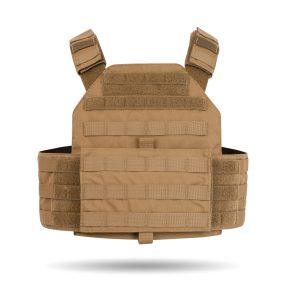
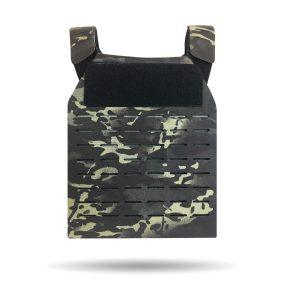
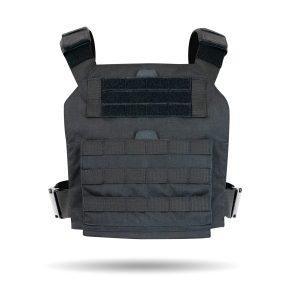
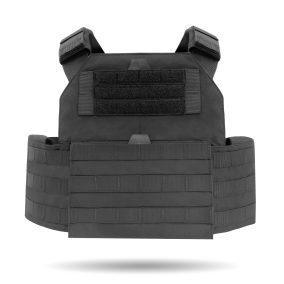
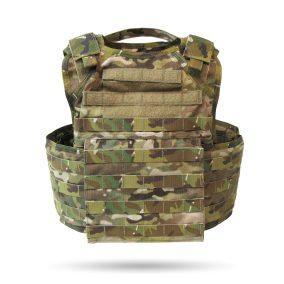
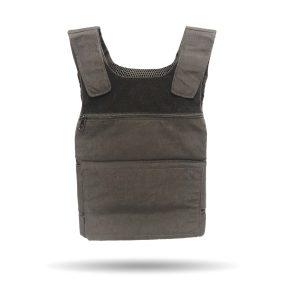
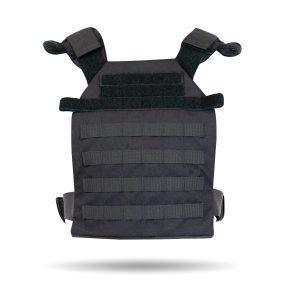
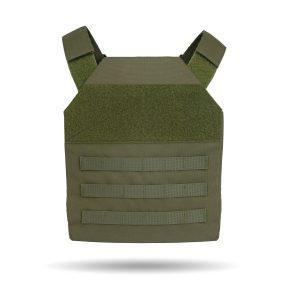
+A plate carrier is a wearable platform designed to securely hold ballistic plates while supporting mission-essential equipment. Depending on the design, plate carriers may incorporate MOLLE/PALS platforms, adjustable cummerbunds, quick-release systems, padding, communication routing, and other features that allow the carrier to be configured for specific operational requirements.
For law enforcement and military users, the appropriate plate carrier configuration depends on the mission, required armor system, equipment load, mobility requirements, and operating environment.
What should agencies consider when selecting a plate carrier?
+Selecting a plate carrier should begin with the operational requirements of the end user. Agencies should consider ballistic plate compatibility, carrier fit and adjustability, mobility, equipment load, communication requirements, quick-release functionality, MOLLE/PALS capability, and the environment in which the system will be used.
The carrier should work as part of the complete armor and equipment system rather than as a stand-alone component. Proper configuration helps balance protection, mobility, comfort, and access to mission-essential equipment.
How are plate carriers used in law enforcement and military applications?
+Plate carriers can be configured to support the specific operational requirements of law enforcement and military personnel. Depending on the carrier design and mission, configurations may accommodate ballistic plates, communication equipment, medical equipment, magazines, identification, and other mission-essential gear.
Modular platforms such as MOLLE/PALS allow equipment placement to be adapted to the user’s role while maintaining access, mobility, and balanced load distribution. Carrier selection and configuration should reflect the user’s mission profile, required equipment, armor system, and operating environment.
What ballistic plates are compatible with a plate carrier?
+Ballistic plate compatibility depends on the carrier’s plate pocket dimensions and the size, shape, cut, and thickness of the selected armor plate. Plate carriers should be paired with appropriately sized ballistic plates according to the specifications of the individual carrier and armor system.
Slate Solutions offers plate carrier and hard armor solutions for professional law enforcement and military applications. Product specifications should be reviewed when configuring a complete armor system to ensure proper compatibility and fit.
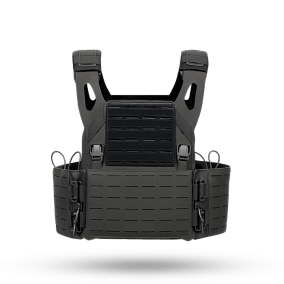
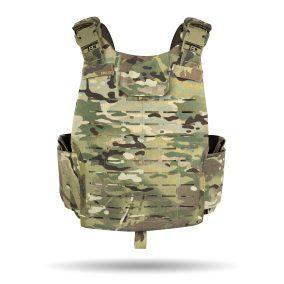
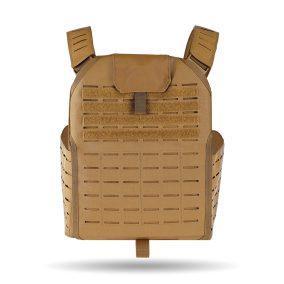

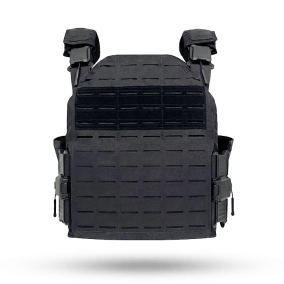
FAQs
What is the difference between a plate carrier and a tactical carrier?
+The terms plate carrier and tactical carrier can overlap depending on the design and application. A plate carrier is generally designed around carrying ballistic plates, while tactical carriers may incorporate additional features for armor coverage, equipment integration, load carriage, communications, and mission-specific configurations.
Many modern plate carriers also include extensive tactical functionality, including MOLLE/PALS platforms, quick-release systems, equipment attachment points, and adjustable components. The appropriate carrier depends on the armor requirements, mission profile, equipment load, and mobility needs of the end user.
How should a plate carrier fit?
+A plate carrier should be properly sized and adjusted to securely position the selected ballistic plates while allowing the end user to maintain mobility and access mission-essential equipment. Carrier sizing should account for the dimensions and cut of the ballistic plates, the user’s body measurements, adjustability of the shoulder straps and cummerbund, and the equipment that will be worn with the system.
Because carrier designs and armor configurations vary, users and agencies should follow the sizing and plate compatibility specifications provided for the individual Slate Solutions product.
What features should law enforcement agencies consider in a plate carrier?
+Law enforcement plate carrier requirements vary by assignment and mission profile. Agencies may consider ballistic plate compatibility, mobility, adjustability, MOLLE/PALS capability, equipment integration, quick-release functionality, communication routing, identification requirements, and overall comfort during extended wear.
Specialized units may require different configurations than patrol or other operational personnel. Evaluating the complete armor and equipment system helps agencies select a carrier configuration appropriate for the intended application.