
Plates - NIJ 06
What NIJ Levels Are Available for Hard Armor Plates?
+LEVEL | PROTECTION | COMMON ROUNDS STOPPED |
III | Lead-core rifle rounds | 7.62mm NATO FMJ (M80) at 847 m/s |
III+ (Special Threat, not NIJ-official) | Steel-core rounds | 5.56mm M855 "green tip" |
IV | Armor-piercing rounds | .30-06 M2 AP at 878 m/s (at least one round) |
Slate Solutions offers NIJ 0101.06 hard armor plates designed for a range of rifle-threat protection requirements. Available options include Level III, enhanced rifle-threat solutions commonly referred to as Level III+, and Level IV armor plates.
The appropriate protection level depends on the anticipated threat, operational requirements, weight considerations, and whether the armor system uses a stand-alone or in-conjunction-with (ICW) configuration. Agencies should evaluate the specific ballistic performance of each armor model when selecting plates for their mission.
For agencies evaluating current standards, learn how NIJ 0101.06 Level III, III+ and IV compare with the RF1, RF2 and RF3 threat levels under NIJ 0101.07.
What Materials Are Used in Hard Armor Plates?
+Hard armor plates can be constructed using advanced materials such as ceramic, ultra-high-molecular-weight polyethylene (UHMWPE), or hybrid material systems. The materials and construction used depend on the required ballistic performance, weight, thickness, durability, and intended application.
Slate Solutions designs high-performing armor solutions using advanced material combinations selected to achieve the required protection while reducing unnecessary weight and bulk. Individual plate specifications should be reviewed to determine the construction, protection level, weight, thickness, and configuration appropriate for the mission.
How Do You Choose the Right Size and Cut for Hard Armor Plates?
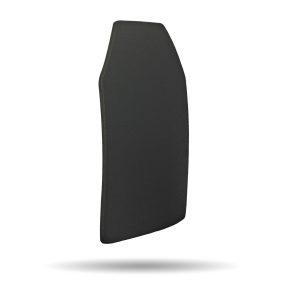
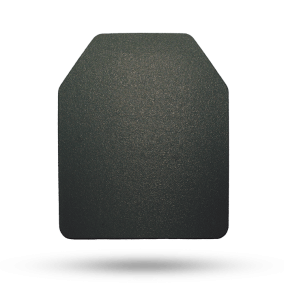
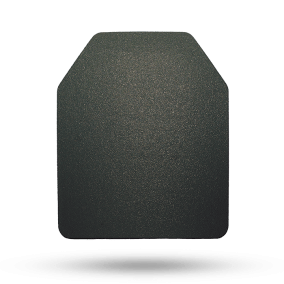
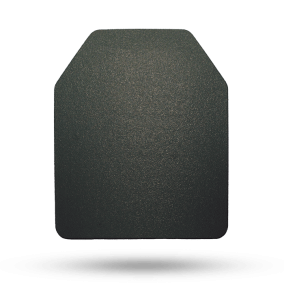
+Hard armor plate selection should balance vital-area coverage with mobility and proper fit within the armor carrier. Plate size and cut should be selected based on the wearer, carrier compatibility, operational requirements, and the level of coverage needed.
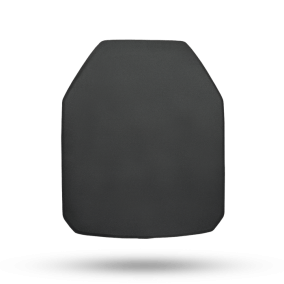
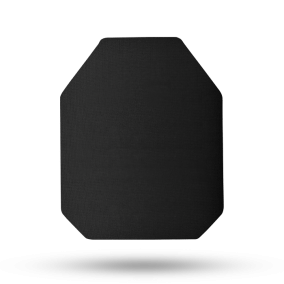
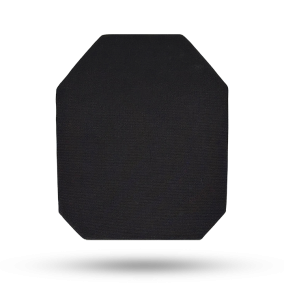
Common configurations include SAPI-style and shooter-style cuts, with various sizes available depending on the armor model. Agencies should also confirm plate thickness and whether the selected armor is stand-alone or designed for use in conjunction with an approved soft armor system.
All Plates
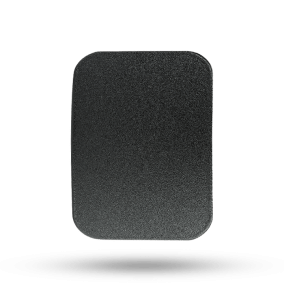
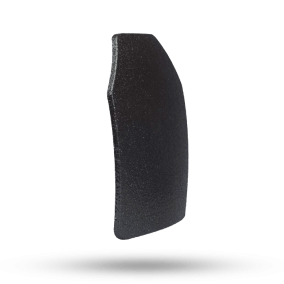
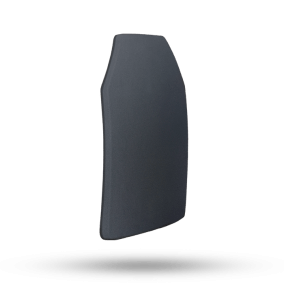
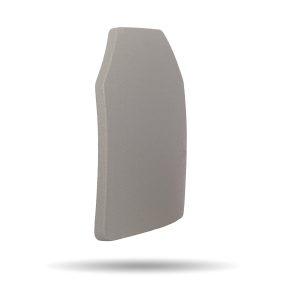
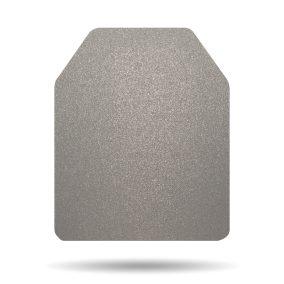
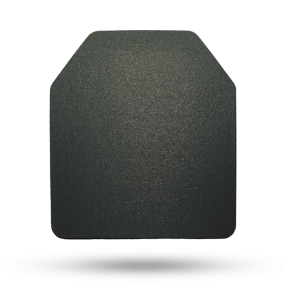
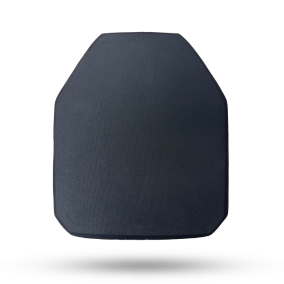
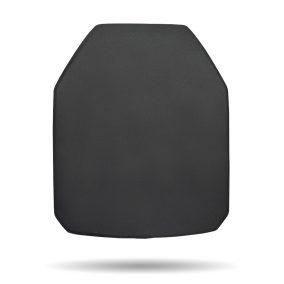
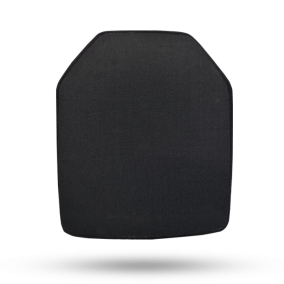
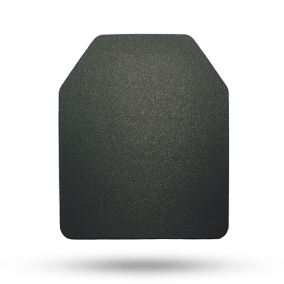
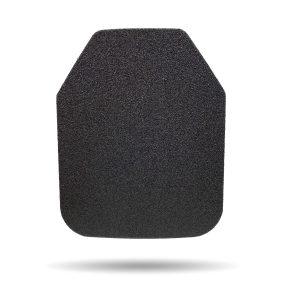
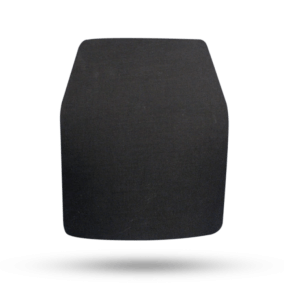
FAQs
How Long Do Hard Armor Plates Last?
+The service life of a hard armor plate depends on the specific armor model, materials, environmental exposure, storage conditions, use, and manufacturer guidelines. Armor plates should be routinely inspected for visible damage or other conditions that could affect their integrity.
Agencies should follow the inspection, care, storage, and replacement recommendations provided for the specific armor model rather than relying on a general expiration period.
Can Hard Armor Plates Provide Multi-Hit Protection?
+Multi-hit performance depends on the specific armor plate design, construction, threat, shot placement, and applicable ballistic test requirements. Performance should not be assumed based solely on whether a plate is manufactured from ceramic, UHMWPE, or another material.
When evaluating hard armor plates, agencies should review the tested or certified ballistic performance of the individual armor model against the threats relevant to their operational requirements.
What Is the Difference Between NIJ Level III and Level IV Armor Plates?
+Under NIJ Standard 0101.06, Level III and Level IV represent different rifle-threat protection requirements. Level III armor is tested against specified rifle threats, while Level IV includes testing against armor-piercing rifle ammunition.
The appropriate protection level depends on the threats an agency expects to encounter, as well as considerations such as weight, thickness, mobility, and whether the plate is stand-alone or used in conjunction with soft armor.
Learn more about the transition from NIJ 0101.06 to NIJ 0101.07 and how the new HG and RF threat levels compare.
What Is the Difference Between Stand-Alone and ICW Armor Plates?
+Stand-alone hard armor plates are designed to provide their specified ballistic protection without requiring an additional soft armor panel behind the plate. In-conjunction-with (ICW) plates are designed and tested as part of an armor system and require the specified soft armor backing to achieve their intended ballistic performance.
When selecting an armor plate, agencies should verify whether the model is stand-alone or ICW and ensure that the complete armor system is configured according to the manufacturer’s specifications.