
Helmets
Ratings: Ballistic and Impact Protection Standards
+Choosing a tactical military helmet requires understanding protection standards. The NIJ Level IIIA rating, standard for bulletproof tactical helmets, stops handgun rounds (e.g., 9mm, .44 Magnum) and shrapnel, vital for law enforcement and military. These helmets also provide blunt impact protection against falls, debris, or concussive forces, ensuring safety in dynamic environments.
High Cut vs. Full Cut: Selecting a Tactical Helmet for Your Mission
+Choosing the right tactical helmet depends on your operational needs. Here’s a breakdown of the three main styles:
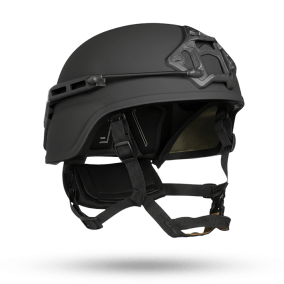
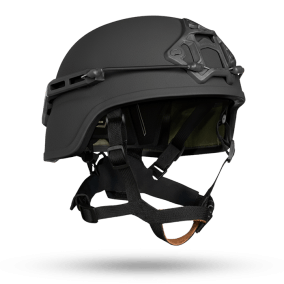
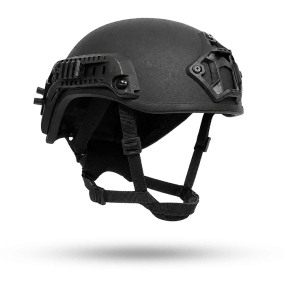
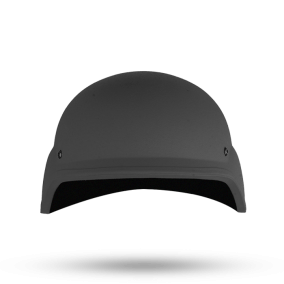
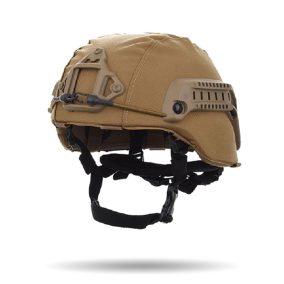
- High Cut Helmet: The high cut helmet is lightweight and optimized for modern soldiers and law enforcement. Its cut above the ears enhances ventilation and ensures compatibility with communication headsets and helmet accessories.
- Mid Cut Helmet: A hybrid option, the mid cut helmet balances coverage and accessory compatibility. It offers more side protection than a high-cut helmet while still supporting rails and shroud, making it versatile for mixed mission profiles.
- Full Cut Helmet: This style helmet provides maximum ballistic coverage over the ears and sides of the head. It’s ideal for high-threat environments where comprehensive protection is critical.
Each style supports a modular helmet system, allowing users to customize their setup based on mission demands.
Helmet Suspension and Padding Systems
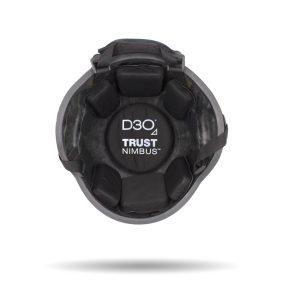
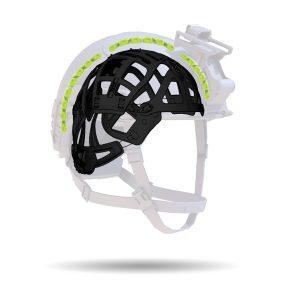
+Comfort and stability are essential for a tactical ballistic helmet during long missions. The suspension system is crucial: traditional foam pads offer basic cushioning, while modern dial-liner options (e.g., Occipital-Dial or BOA) provide superior adjustability. These ensure a secure fit for heavy night vision devices (NVG), reduce fatigue, stabilize during movement, and enhance safety.
Tactical Helmet Accessories
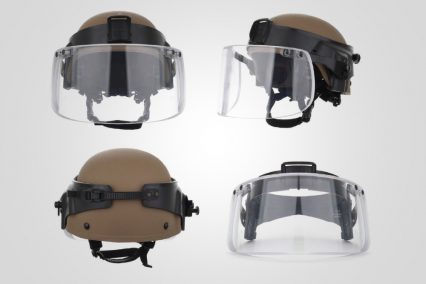
+A modular helmet system shines through its ability to integrate helmet accessories, transforming a tactical military helmet into a versatile platform. Key components include:
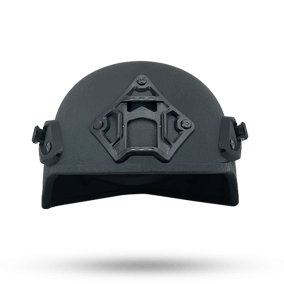
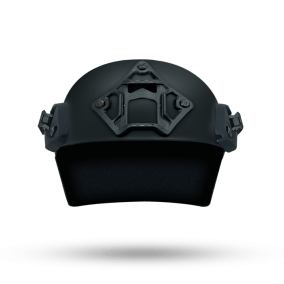
- NVG Shrouds: The shroud is the interface for mounting night vision devices (NVG), enabling low-light visibility for nighttime operations.
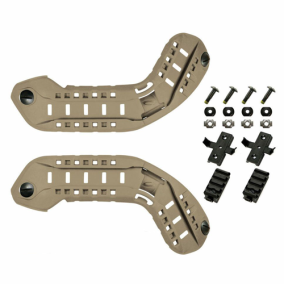
- Accessory Rails: Rails provide attachment points for lights, cameras, strobes, and headset adapters, enhancing mission flexibility.
- Helmet Covers: These offer camouflage, cable management, and surface protection for the helmet, ideal for diverse environments.
- Counterweights: Used to balance the helmet when heavy NVG or other accessories are attached, ensuring comfort and stability.
These accessories make the tactical helmet a customizable tool for law enforcement and military professionals.
All Helmets
FAQs
Will a ballistic helmet stop a rifle round?
+Standard NIJ Level IIIA helmets are intended to protect against handgun threats and fragmentation. Rifle-round protection requires specialized rifle-resistant helmet designs. Our lightweight rifle helmet delivers advanced ballistic performance while minimizing weight to support extended wear and maneuverability.
How do I measure my head for the right size helmet?
+To find the right size, measure your head’s circumference just above your ears and eyebrows using a flexible tape measure. Compare the measurement to our sizing chart (typically small, medium, large, or XL). Ensure the suspension system is adjustable for a snug, comfortable fit.
What is the difference between a ballistic helmet and a "bump" helmet?
+A ballistic helmet is designed for NIJ Level IIIA protection against ballistic threats and blunt impact protection. A “bump” helmet, however, is non-ballistic, intended for training or low-threat environments, offering only blunt impact protection for activities like climbing or airsoft. Both may support rails and NVG shrouds, but only ballistic helmets provide combat-grade protection.